Mintly NFT
Overview
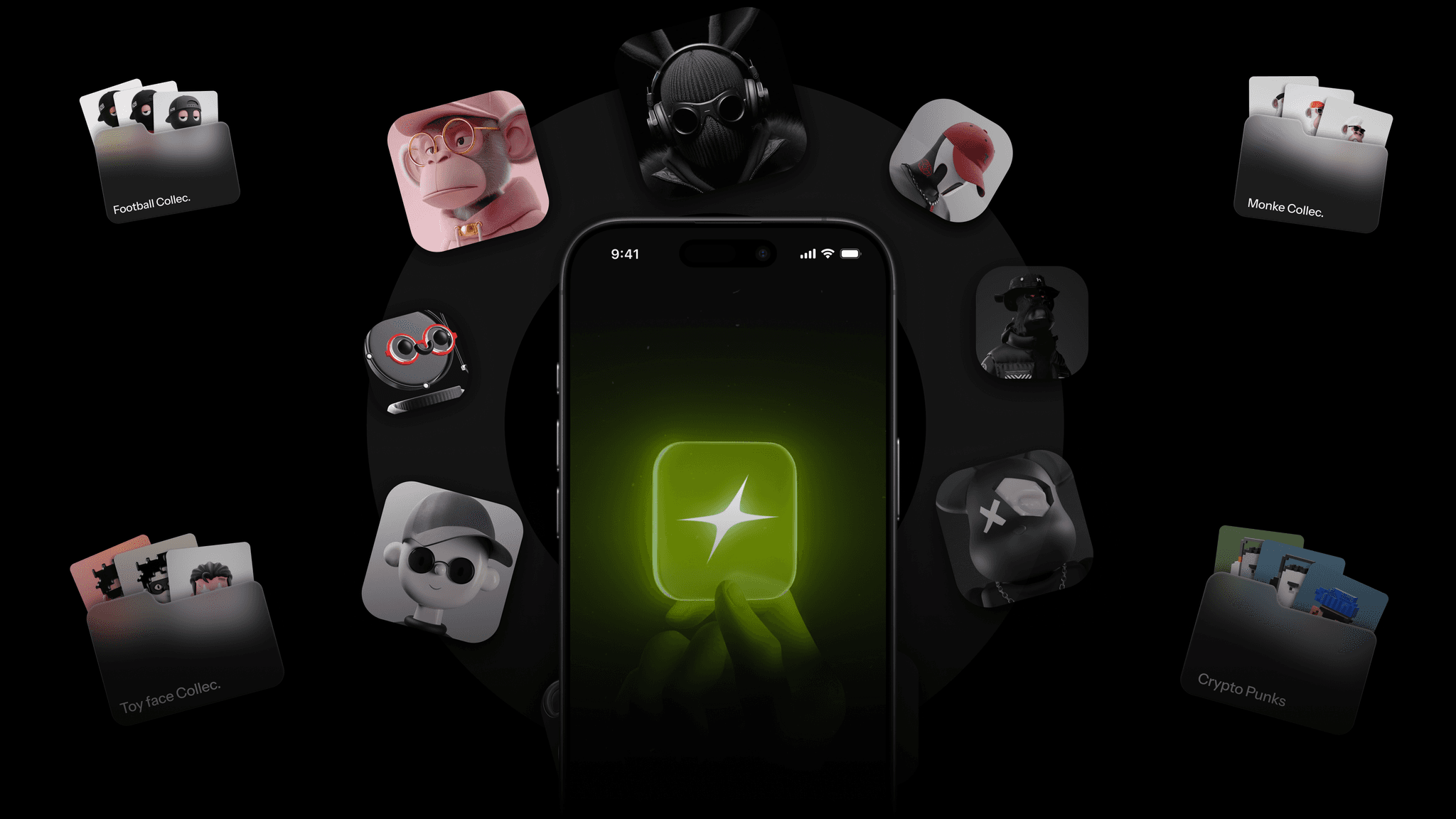
Mintly is an NFT marketplace concept designed to make Web3 feel less intimidating and more human, especially for Gen Z users who are curious about NFTs but overwhelmed by how complex most platforms feel.
Instead of positioning NFTs as a financial tool, Mintly treats them as culture, expression, and community first. The project focuses on simplifying discovery, reducing cognitive overload, and building trust through transparency, while still preserving the excitement and visual richness that makes NFTs appealing in the first place.
Categories
NFT
Mobile Application
Methods used
Problem Framing • Competitive Analysis • User Flow Mapping • Information Architecture • Interaction Design • Usability Testing
Date
Problem Statement
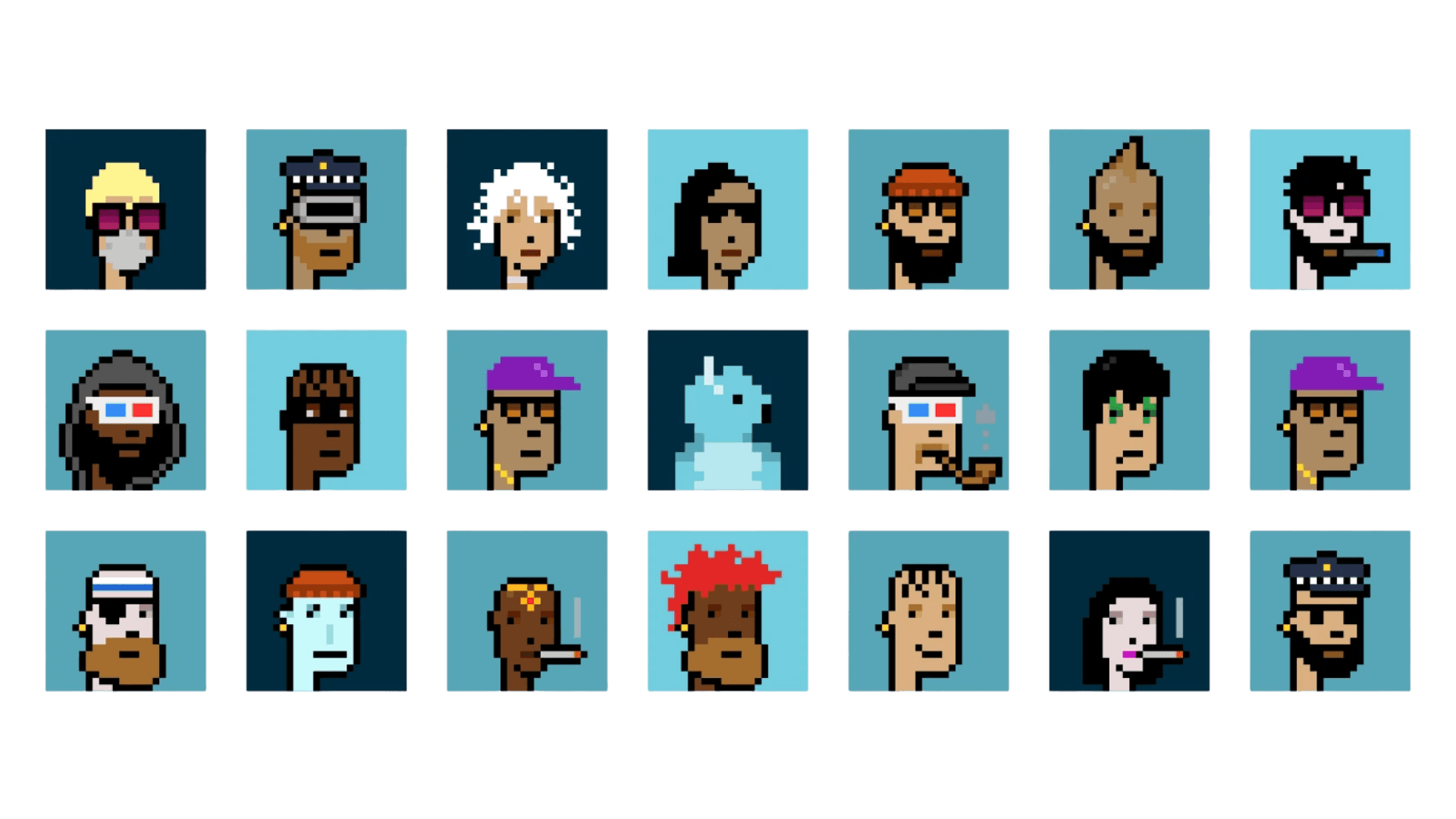
NFTs are exciting, but the way we’ve built NFT platforms isn’t.
Most existing NFT marketplaces assume users already understand:
wallets
gas fees
blockchains
bidding mechanics
security risks
For someone new especially Gen Z users this creates immediate friction.
The moment you open most NFT apps, you’re confronted with jargon, dense layouts, hidden costs, and irreversible actions. One wrong click can mean real money lost.
The problem wasn’t awareness.
It was approachability.NFT platforms weren’t failing because users didn’t care they were failing because users didn’t feel safe enough to explore.
Solution at a Glance
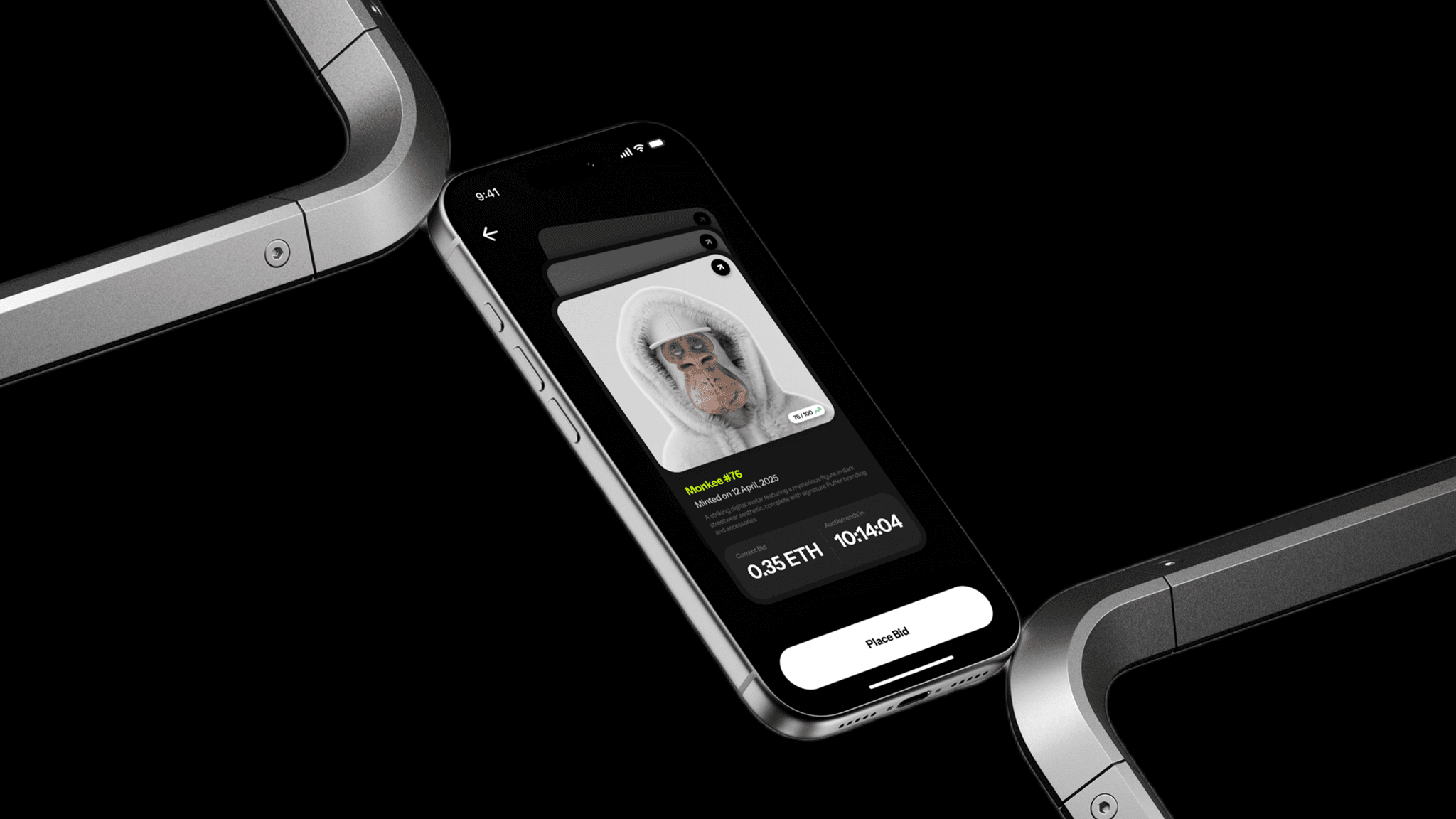
A beginner-friendly NFT platform designed for Gen Z that turns confusion into curiosity and hesitation into confident action.
The product combines guided discovery, optional education, and transparent transactions to help first-time users understand, explore, and trade NFTs without feeling overwhelmed or pressured.
By blending familiar social-app patterns with clear financial feedback, the experience lowers the emotional and technical barriers around crypto making NFTs feel approachable, trustworthy, and personally relevant rather than intimidating or speculative.
Friendly onboarding instead of wallet-first friction
Short, skippable explainer videos instead of long tutorials
Demo accounts that let users trade without real money
Swipe-based NFT discovery inspired by social apps
Clear breakdown of gas fees and platform costs before purchase
Wallet views designed for readability, not intimidation
How It Started

The project started with a simple observation:
Gen Z loves digital culture, collectibles, and self-expression but NFTs still feel like a closed club.
While researching NFT apps, I noticed something strange:
Platforms were visually impressive, yet emotionally distant.
Everything felt transactional. Nothing felt welcoming.
I began asking:
What if NFTs felt more like discovering music or fashion?
What if learning was optional instead of forced?
What if users could play before they pay?
Mintly was born from that gap between curiosity and confidence.
User Research
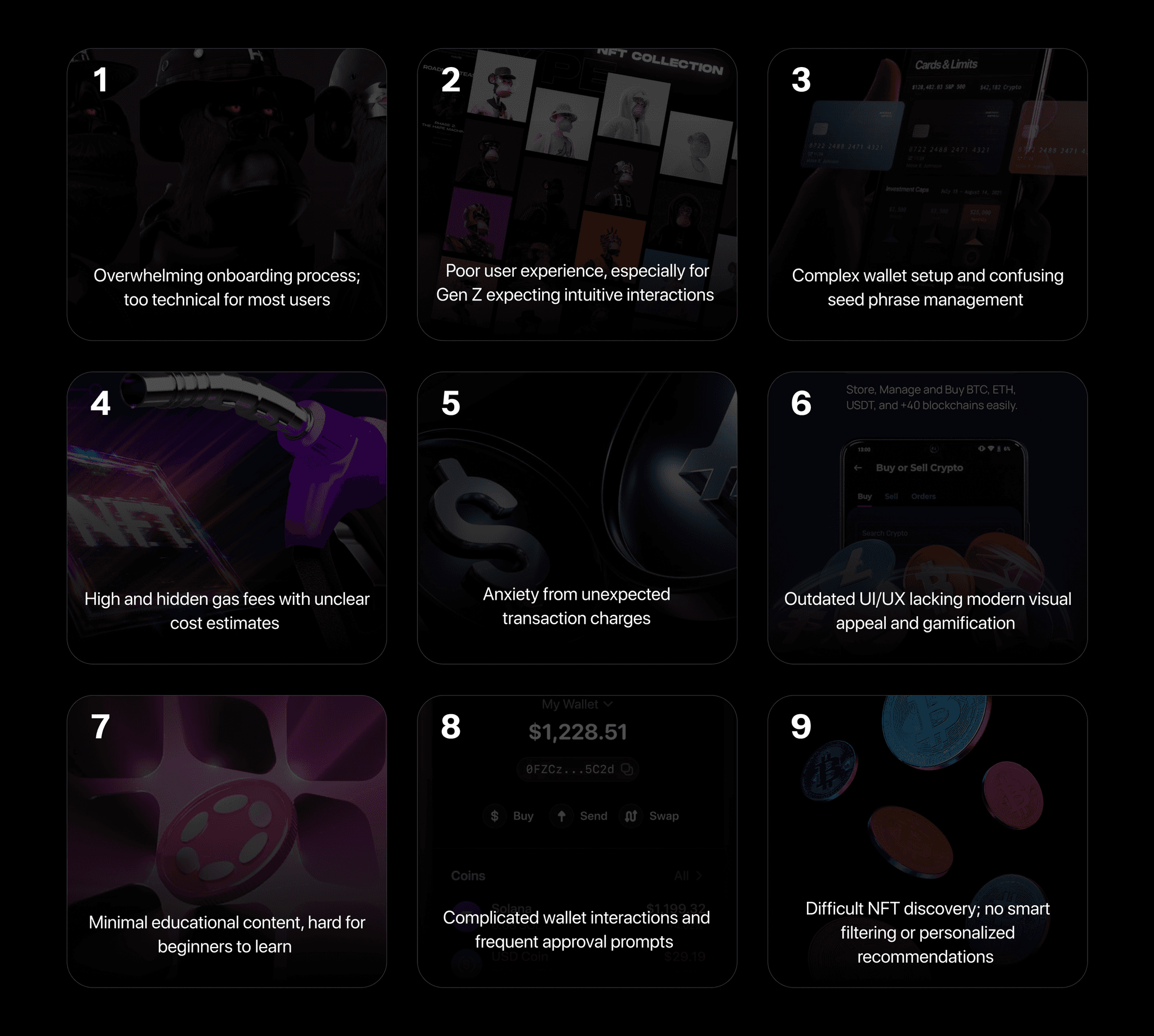
Research focused on users aged 18–25 who were aware of NFTs but hesitant to participate.
Some recurring patterns emerged:
Users felt pressure to “know everything” before starting
Gas fees felt like a trap rather than a cost
Discovery felt random, not personal
Most platforms lacked a sense of community or belonging
One insight stood out strongly:
“I’m interested, but I don’t want to mess up.”
This fear shaped every design decision that followed.
Approach
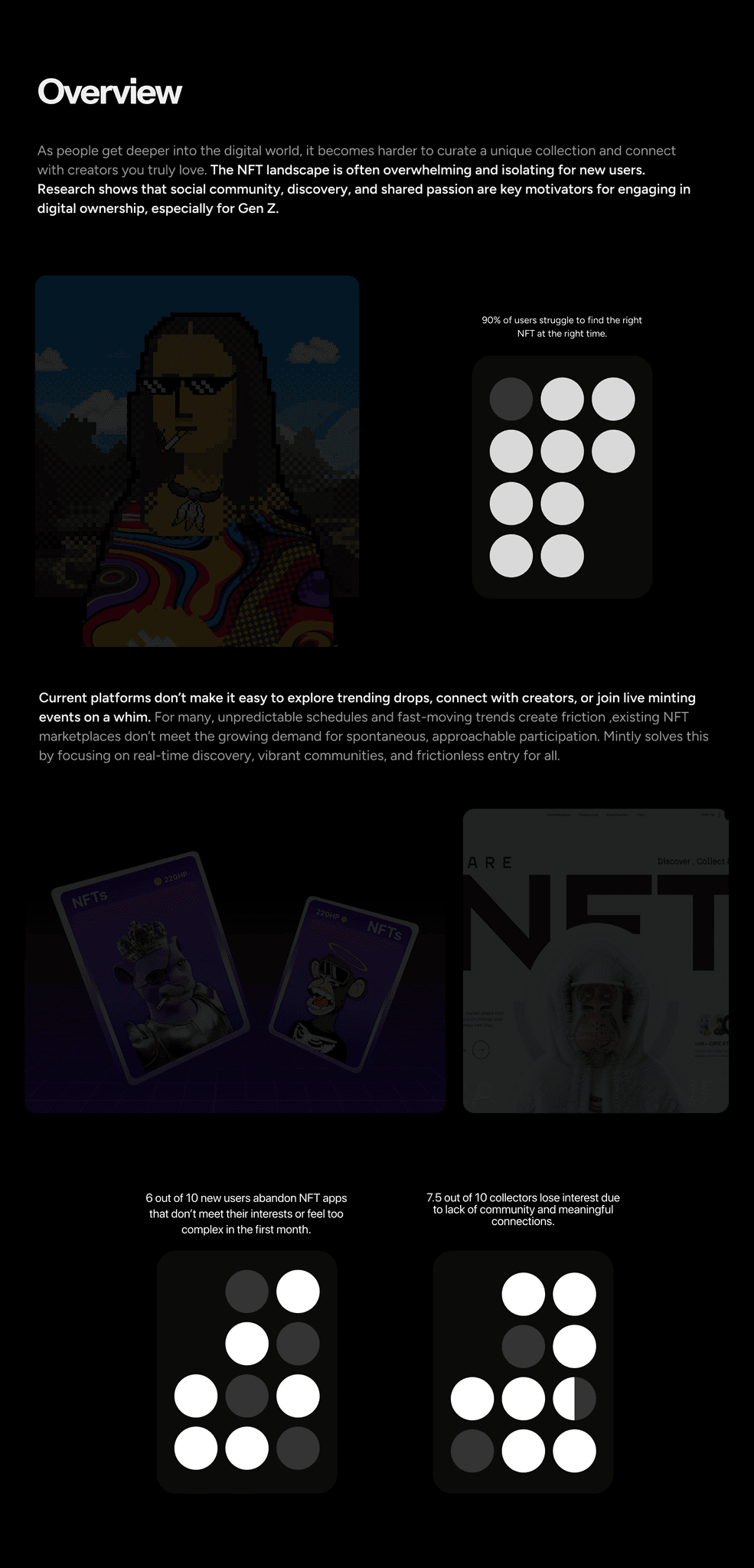
Instead of designing a feature-heavy marketplace, I approached Mintly as a guided journey.
The approach was built on three pillars:
1. Reduce fear before adding features
Users shouldn’t feel like they’re making irreversible decisions from the first screen.
2. Let curiosity lead
Discovery should feel playful and visual not technical.
3. Build trust through clarity
Nothing should be hidden. Costs, ownership, and actions must always be visible and understandable.This meant intentionally removing complexity rather than showcasing power.
Solution
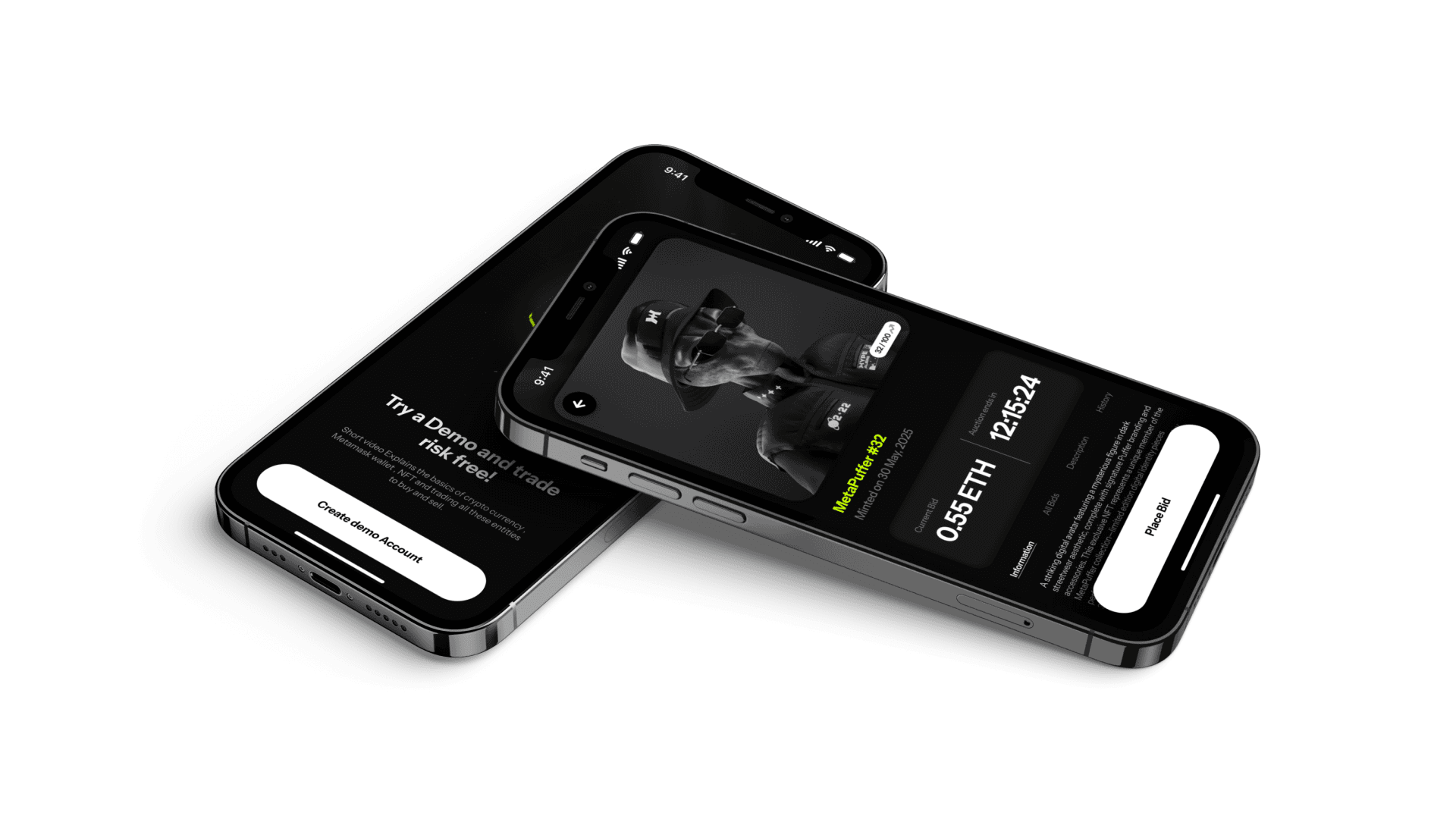
Mintly’s experience unfolds gradually.
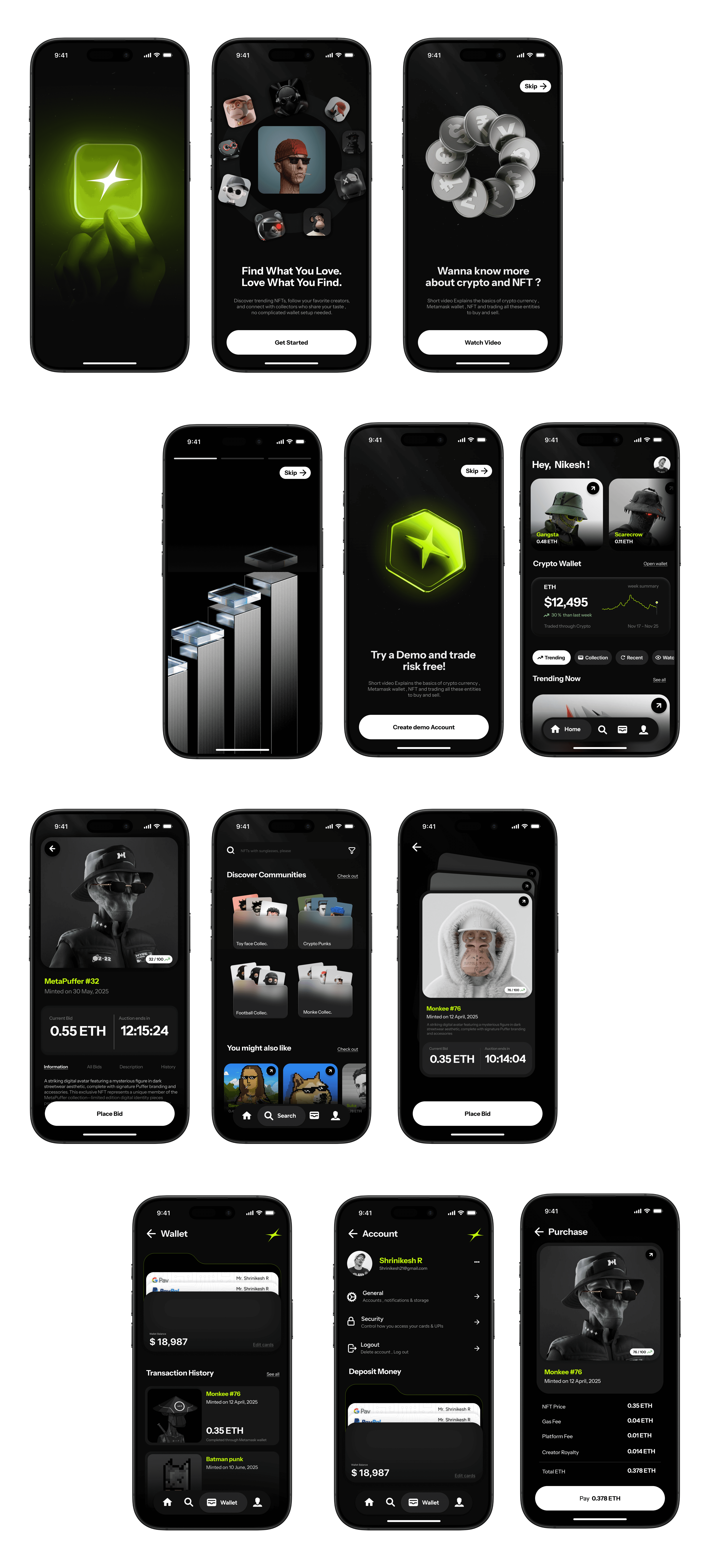
Users are first welcomed visually, without being asked to commit. They can learn at their own pace or skip ahead. The demo mode allows users to experience bidding, buying, and ownership without risk — removing one of the biggest psychological barriers.
Discovery is social and visual. NFTs are browsed through cards and reels instead of dense grids. Communities feel alive rather than static.
When users finally decide to purchase, the cost breakdown is transparent — no surprises, no hidden fees.
Every step answers an unspoken question:
“Is it safe to continue?”
Design Decisions
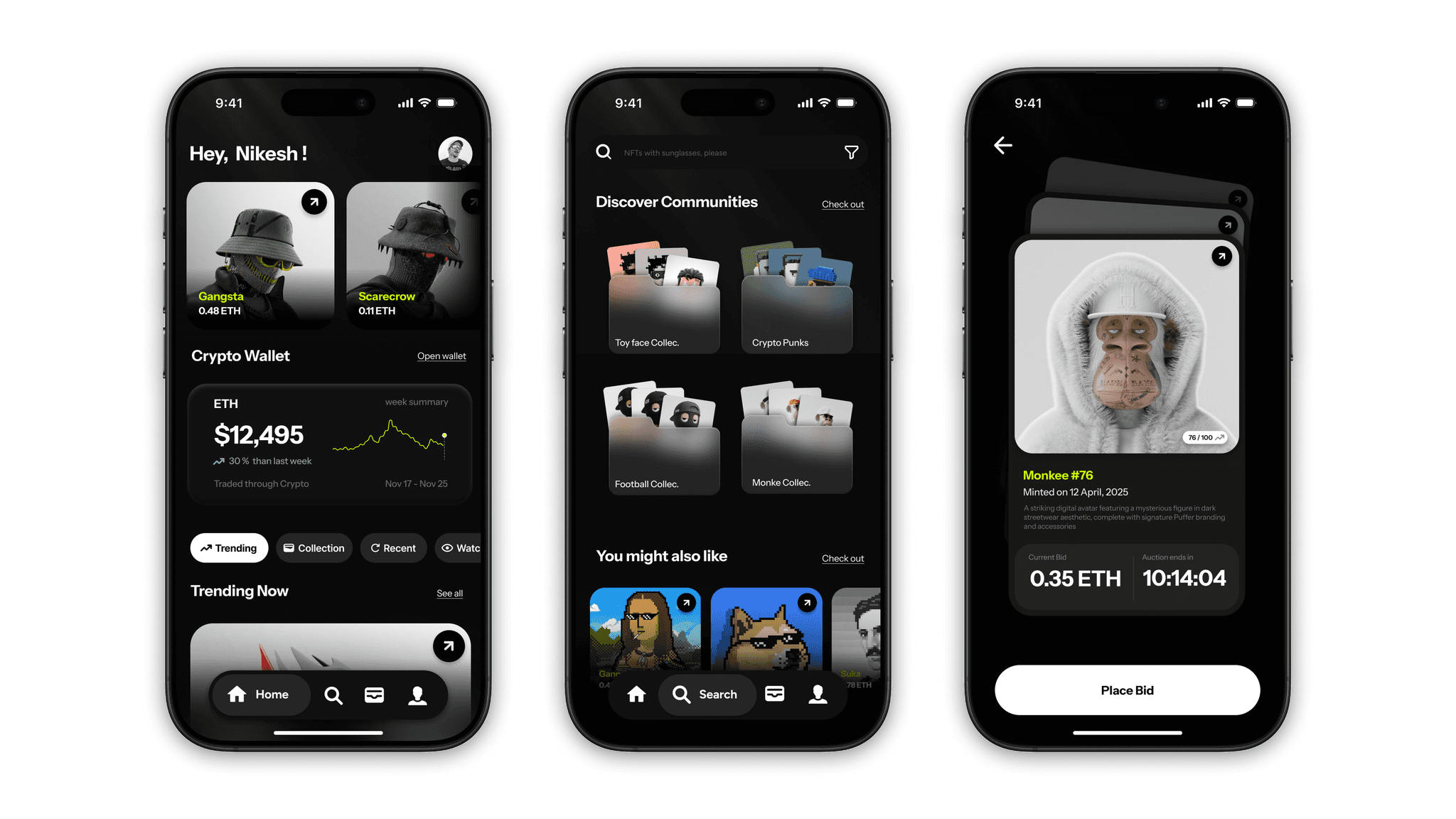
Several intentional design decisions shaped Mintly:
Dark interface with high contrast
Keeps focus on artwork and gives the platform a premium, culture-first feel.Swipe and card-based layouts
Borrow interaction patterns users already understand from social apps.Large visuals, minimal text
Let NFTs speak visually before overwhelming users with data.Explicit cost transparency
Gas fees and platform fees are shown clearly before confirmation.Demo-first onboarding
Encourages exploration without fear of loss.
Each decision prioritised confidence over complexity.
1.UI
Dark interface with high contrast
2.Demo
Demo-first onboarding
3.Swipe
Swipe and card-based layouts
Key Insights
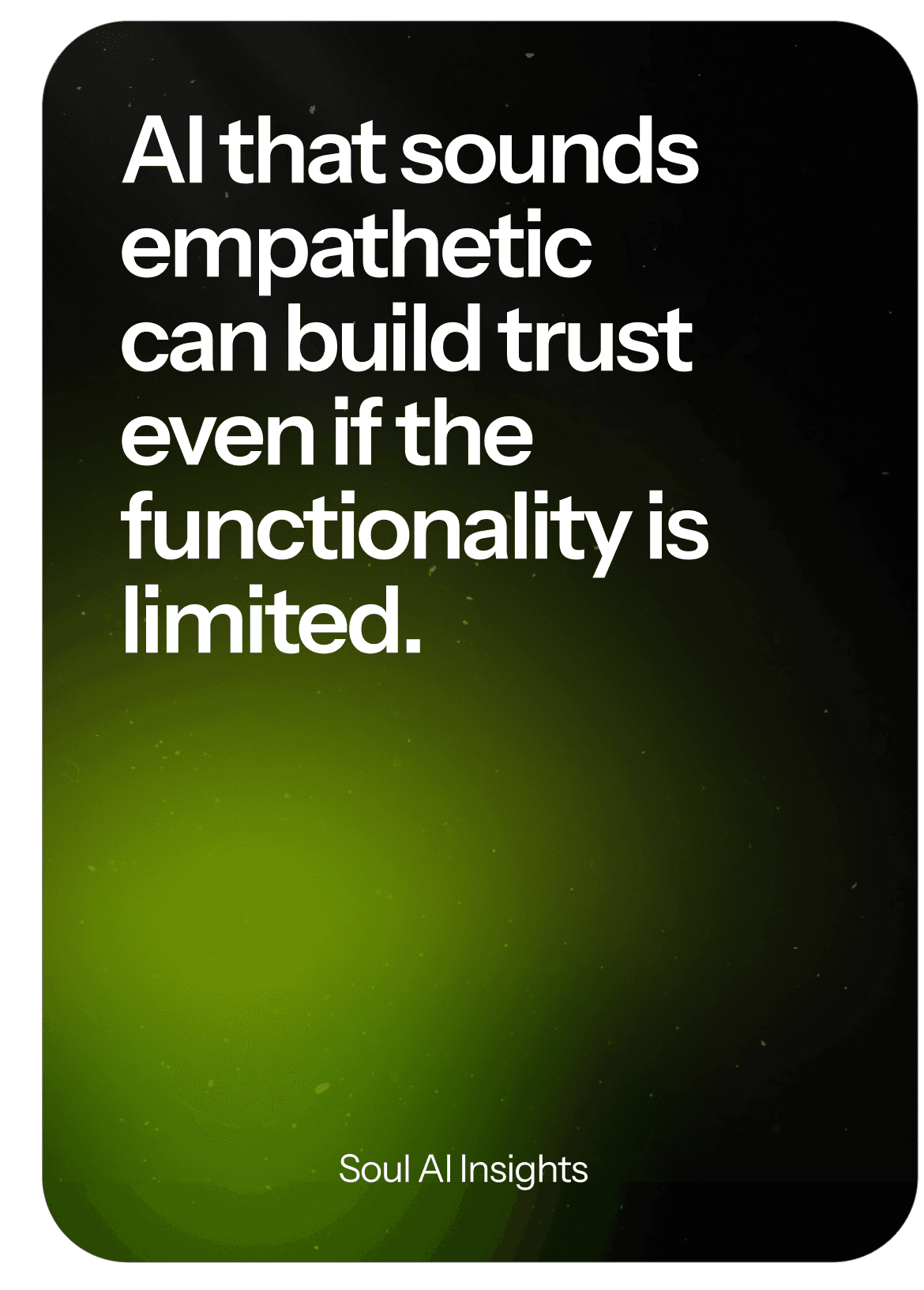
People don’t hate NFTs — they hate uncertainty
Trust grows faster through transparency than education
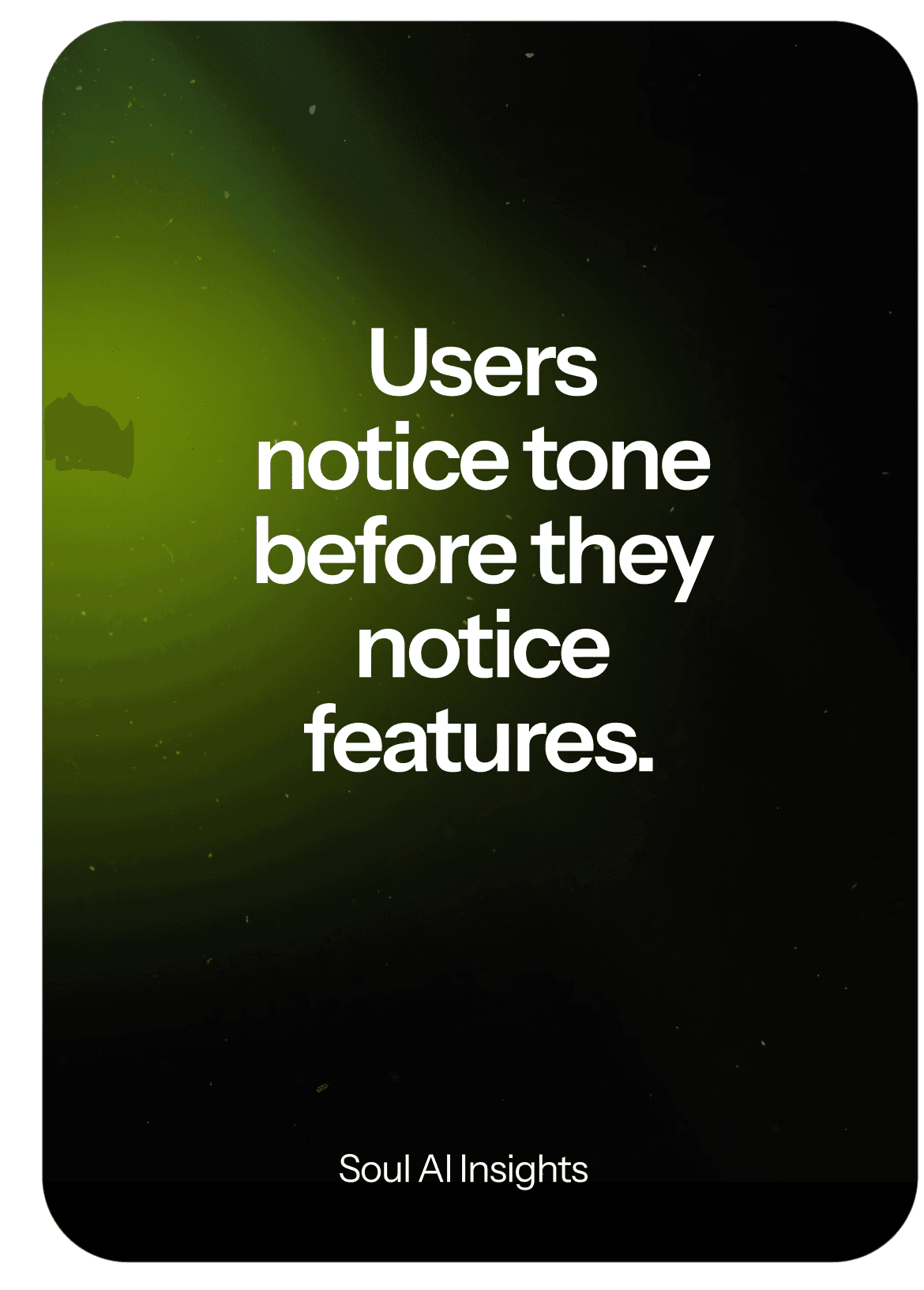
Letting users experiment removes fear more effectively than tutorials
Community and discovery matter as much as ownership
Mintly reinforced a core belief I have as a designer:
If users feel safe, they will explore.
Flow
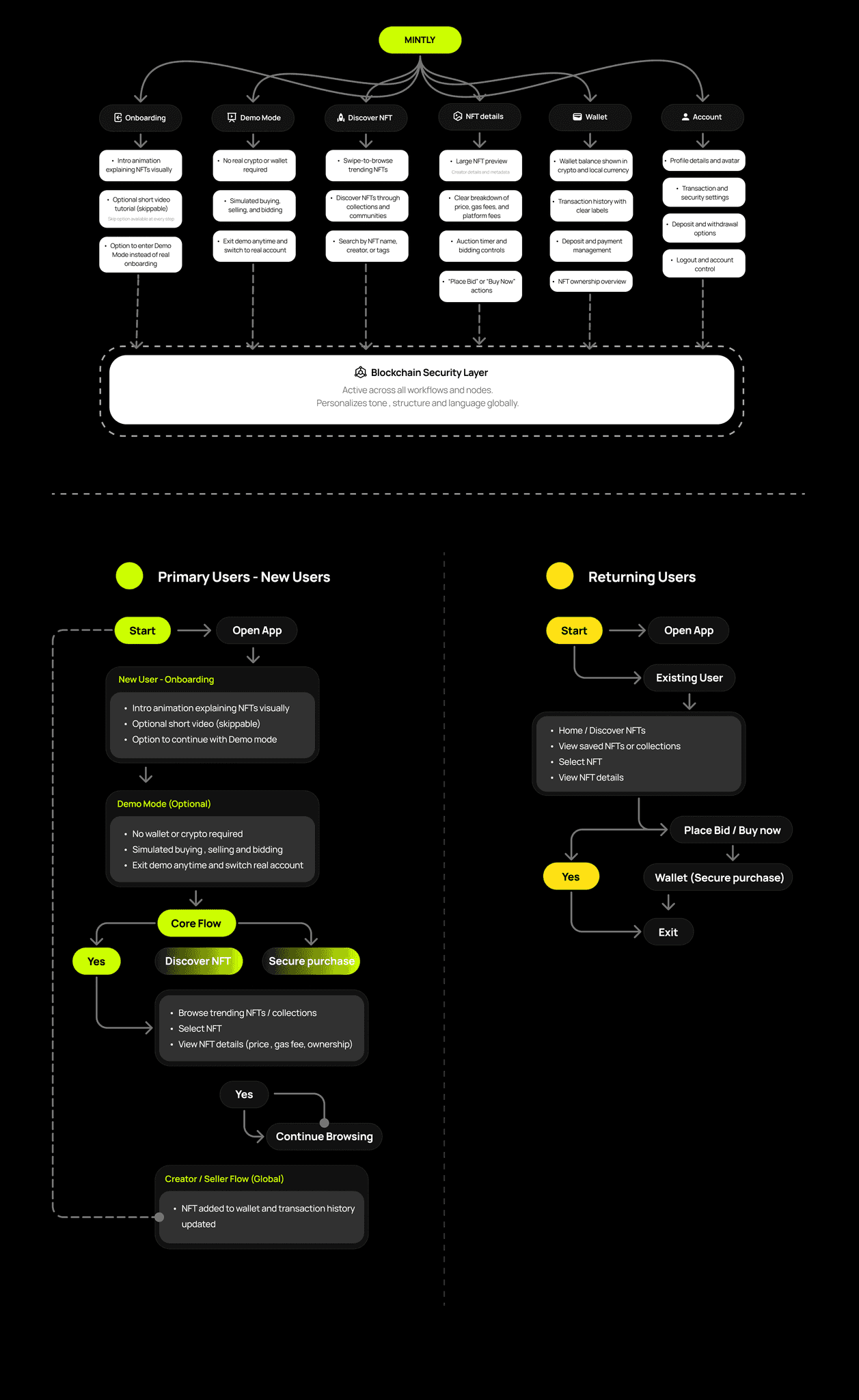
Mintly’s primary flow is designed to feel natural and reversible.
Launch → onboarding → optional education
Demo account → explore NFTs → understand value
Discover → inspect → decide
Purchase → clear confirmation → ownership
Wallet → history → identity
At no point does the user feel trapped or rushed.
UI
Mintly NFT
Overview
Mintly is an NFT marketplace concept designed to make Web3 feel less intimidating and more human, especially for Gen Z users who are curious about NFTs but overwhelmed by how complex most platforms feel.
Instead of positioning NFTs as a financial tool, Mintly treats them as culture, expression, and community first. The project focuses on simplifying discovery, reducing cognitive overload, and building trust through transparency, while still preserving the excitement and visual richness that makes NFTs appealing in the first place.
Categories
NFT
Mobile Application
Methods used
Problem Framing • Competitive Analysis • User Flow Mapping • Information Architecture • Interaction Design • Usability Testing
Date
Problem Statement
NFTs are exciting, but the way we’ve built NFT platforms isn’t.
Most existing NFT marketplaces assume users already understand:
wallets
gas fees
blockchains
bidding mechanics
security risks
For someone new especially Gen Z users this creates immediate friction.
The moment you open most NFT apps, you’re confronted with jargon, dense layouts, hidden costs, and irreversible actions. One wrong click can mean real money lost.
The problem wasn’t awareness.
It was approachability.NFT platforms weren’t failing because users didn’t care they were failing because users didn’t feel safe enough to explore.
Solution at a Glance
A beginner-friendly NFT platform designed for Gen Z that turns confusion into curiosity and hesitation into confident action.
The product combines guided discovery, optional education, and transparent transactions to help first-time users understand, explore, and trade NFTs without feeling overwhelmed or pressured.
By blending familiar social-app patterns with clear financial feedback, the experience lowers the emotional and technical barriers around crypto making NFTs feel approachable, trustworthy, and personally relevant rather than intimidating or speculative.
Friendly onboarding instead of wallet-first friction
Short, skippable explainer videos instead of long tutorials
Demo accounts that let users trade without real money
Swipe-based NFT discovery inspired by social apps
Clear breakdown of gas fees and platform costs before purchase
Wallet views designed for readability, not intimidation
How It Started
The project started with a simple observation:
Gen Z loves digital culture, collectibles, and self-expression but NFTs still feel like a closed club.
While researching NFT apps, I noticed something strange:
Platforms were visually impressive, yet emotionally distant.
Everything felt transactional. Nothing felt welcoming.
I began asking:
What if NFTs felt more like discovering music or fashion?
What if learning was optional instead of forced?
What if users could play before they pay?
Mintly was born from that gap between curiosity and confidence.
User Research
Research focused on users aged 18–25 who were aware of NFTs but hesitant to participate.
Some recurring patterns emerged:
Users felt pressure to “know everything” before starting
Gas fees felt like a trap rather than a cost
Discovery felt random, not personal
Most platforms lacked a sense of community or belonging
One insight stood out strongly:
“I’m interested, but I don’t want to mess up.”
This fear shaped every design decision that followed.
Approach
Instead of designing a feature-heavy marketplace, I approached Mintly as a guided journey.
The approach was built on three pillars:
1. Reduce fear before adding features
Users shouldn’t feel like they’re making irreversible decisions from the first screen.
2. Let curiosity lead
Discovery should feel playful and visual not technical.
3. Build trust through clarity
Nothing should be hidden. Costs, ownership, and actions must always be visible and understandable.This meant intentionally removing complexity rather than showcasing power.
Solution
Mintly’s experience unfolds gradually.
Users are first welcomed visually, without being asked to commit. They can learn at their own pace or skip ahead. The demo mode allows users to experience bidding, buying, and ownership without risk — removing one of the biggest psychological barriers.
Discovery is social and visual. NFTs are browsed through cards and reels instead of dense grids. Communities feel alive rather than static.
When users finally decide to purchase, the cost breakdown is transparent — no surprises, no hidden fees.
Every step answers an unspoken question:
“Is it safe to continue?”
Design Decisions
Several intentional design decisions shaped Mintly:
Dark interface with high contrast
Keeps focus on artwork and gives the platform a premium, culture-first feel.Swipe and card-based layouts
Borrow interaction patterns users already understand from social apps.Large visuals, minimal text
Let NFTs speak visually before overwhelming users with data.Explicit cost transparency
Gas fees and platform fees are shown clearly before confirmation.Demo-first onboarding
Encourages exploration without fear of loss.
Each decision prioritised confidence over complexity.
1.UI
Dark interface with high contrast
2.Demo
Demo-first onboarding
3.Swipe
Swipe and card-based layouts
Key Insights
People don’t hate NFTs — they hate uncertainty
Trust grows faster through transparency than education
Letting users experiment removes fear more effectively than tutorials
Community and discovery matter as much as ownership
Mintly reinforced a core belief I have as a designer:
If users feel safe, they will explore.
Flow
Mintly’s primary flow is designed to feel natural and reversible.
Launch → onboarding → optional education
Demo account → explore NFTs → understand value
Discover → inspect → decide
Purchase → clear confirmation → ownership
Wallet → history → identity
At no point does the user feel trapped or rushed.
UI
Mintly NFT
Overview
Mintly is an NFT marketplace concept designed to make Web3 feel less intimidating and more human, especially for Gen Z users who are curious about NFTs but overwhelmed by how complex most platforms feel.
Instead of positioning NFTs as a financial tool, Mintly treats them as culture, expression, and community first. The project focuses on simplifying discovery, reducing cognitive overload, and building trust through transparency, while still preserving the excitement and visual richness that makes NFTs appealing in the first place.
Categories
NFT
Mobile Application
Methods used
Problem Framing • Competitive Analysis • User Flow Mapping • Information Architecture • Interaction Design • Usability Testing
Date
Problem Statement
NFTs are exciting, but the way we’ve built NFT platforms isn’t.
Most existing NFT marketplaces assume users already understand:
wallets
gas fees
blockchains
bidding mechanics
security risks
For someone new especially Gen Z users this creates immediate friction.
The moment you open most NFT apps, you’re confronted with jargon, dense layouts, hidden costs, and irreversible actions. One wrong click can mean real money lost.
The problem wasn’t awareness.
It was approachability.NFT platforms weren’t failing because users didn’t care they were failing because users didn’t feel safe enough to explore.
Solution at a Glance
A beginner-friendly NFT platform designed for Gen Z that turns confusion into curiosity and hesitation into confident action.
The product combines guided discovery, optional education, and transparent transactions to help first-time users understand, explore, and trade NFTs without feeling overwhelmed or pressured.
By blending familiar social-app patterns with clear financial feedback, the experience lowers the emotional and technical barriers around crypto making NFTs feel approachable, trustworthy, and personally relevant rather than intimidating or speculative.
Friendly onboarding instead of wallet-first friction
Short, skippable explainer videos instead of long tutorials
Demo accounts that let users trade without real money
Swipe-based NFT discovery inspired by social apps
Clear breakdown of gas fees and platform costs before purchase
Wallet views designed for readability, not intimidation
How It Started
The project started with a simple observation:
Gen Z loves digital culture, collectibles, and self-expression but NFTs still feel like a closed club.
While researching NFT apps, I noticed something strange:
Platforms were visually impressive, yet emotionally distant.
Everything felt transactional. Nothing felt welcoming.
I began asking:
What if NFTs felt more like discovering music or fashion?
What if learning was optional instead of forced?
What if users could play before they pay?
Mintly was born from that gap between curiosity and confidence.
User Research
Research focused on users aged 18–25 who were aware of NFTs but hesitant to participate.
Some recurring patterns emerged:
Users felt pressure to “know everything” before starting
Gas fees felt like a trap rather than a cost
Discovery felt random, not personal
Most platforms lacked a sense of community or belonging
One insight stood out strongly:
“I’m interested, but I don’t want to mess up.”
This fear shaped every design decision that followed.
Approach
Instead of designing a feature-heavy marketplace, I approached Mintly as a guided journey.
The approach was built on three pillars:
1. Reduce fear before adding features
Users shouldn’t feel like they’re making irreversible decisions from the first screen.
2. Let curiosity lead
Discovery should feel playful and visual not technical.
3. Build trust through clarity
Nothing should be hidden. Costs, ownership, and actions must always be visible and understandable.This meant intentionally removing complexity rather than showcasing power.
Solution
Mintly’s experience unfolds gradually.
Users are first welcomed visually, without being asked to commit. They can learn at their own pace or skip ahead. The demo mode allows users to experience bidding, buying, and ownership without risk — removing one of the biggest psychological barriers.
Discovery is social and visual. NFTs are browsed through cards and reels instead of dense grids. Communities feel alive rather than static.
When users finally decide to purchase, the cost breakdown is transparent — no surprises, no hidden fees.
Every step answers an unspoken question:
“Is it safe to continue?”
Design Decisions
Several intentional design decisions shaped Mintly:
Dark interface with high contrast
Keeps focus on artwork and gives the platform a premium, culture-first feel.Swipe and card-based layouts
Borrow interaction patterns users already understand from social apps.Large visuals, minimal text
Let NFTs speak visually before overwhelming users with data.Explicit cost transparency
Gas fees and platform fees are shown clearly before confirmation.Demo-first onboarding
Encourages exploration without fear of loss.
Each decision prioritised confidence over complexity.
1.UI
Dark interface with high contrast
2.Demo
Demo-first onboarding
3.Swipe
Swipe and card-based layouts
Key Insights
People don’t hate NFTs — they hate uncertainty
Trust grows faster through transparency than education
Letting users experiment removes fear more effectively than tutorials
Community and discovery matter as much as ownership
Mintly reinforced a core belief I have as a designer:
If users feel safe, they will explore.
Flow
Mintly’s primary flow is designed to feel natural and reversible.
Launch → onboarding → optional education
Demo account → explore NFTs → understand value
Discover → inspect → decide
Purchase → clear confirmation → ownership
Wallet → history → identity
At no point does the user feel trapped or rushed.
UI